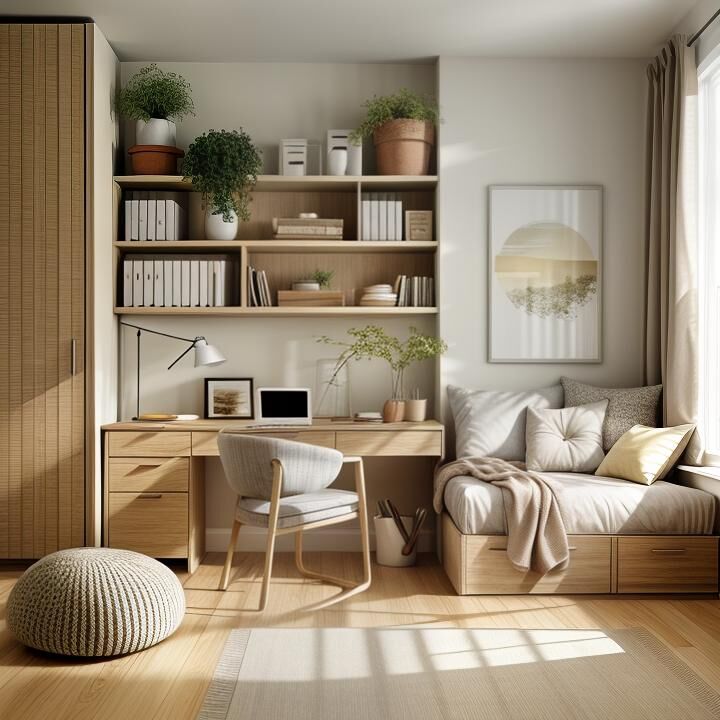
Creating Multi-Functional Rooms for Modern Living
The way we live, work, and relax has evolved—and so should our homes. Today’s homeowners need spaces that can adapt to their lifestyle: think guest rooms that double as offices, dining areas that host homework and dinner, and living rooms that feel cozy yet functional.
At Redesign Co., we specialize in designing spaces that serve more than one purpose—without compromising on style or comfort. Here’s how you can create multi-functional rooms that work smarter and look better.
1. Start With Your Daily Routine
Before planning the design, ask: How do you really live in your space?
Do you work from home? Need a quiet place for kids to study? Want a workout zone but don’t have an extra room?
Understanding your day-to-day needs is the first step to creating a space that supports them.
Pro Tip: List out how you use each room now and how you wish you could use it. We’ll help you bridge the gap.
2. Define Zones Within a Single Space
Open floor plans are beautiful—but without thoughtful layout, they can feel chaotic. Use furniture, lighting, rugs, or partial dividers to create distinct zones for different activities.
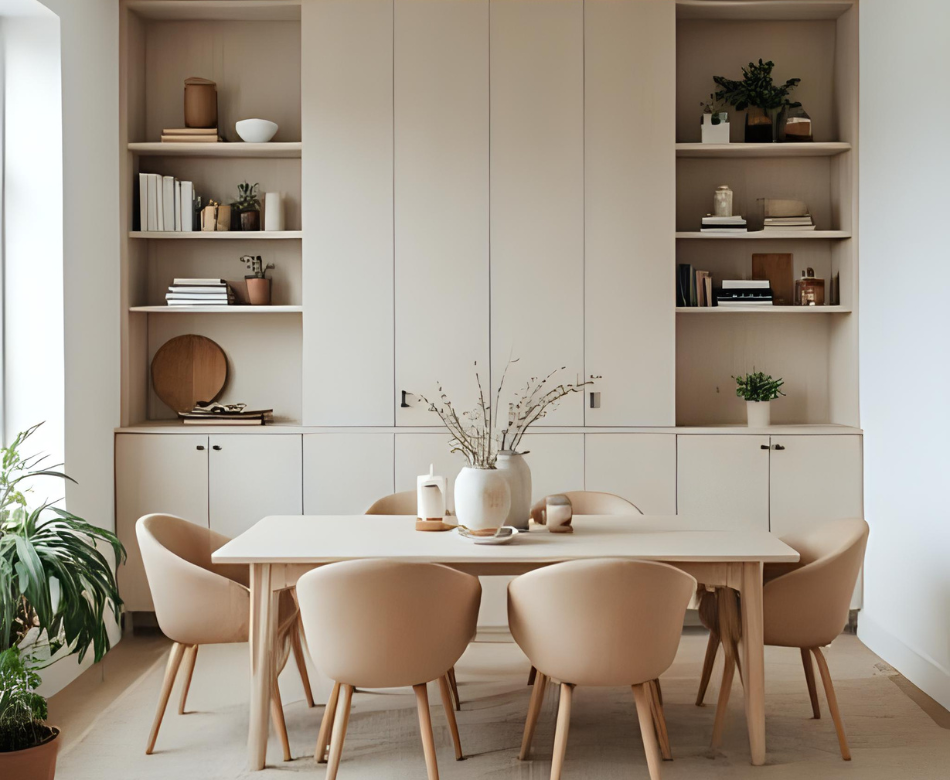
- Living/Dining Combo: A large area rug can anchor a conversation space while a pendant light over the dining table defines the eating area.
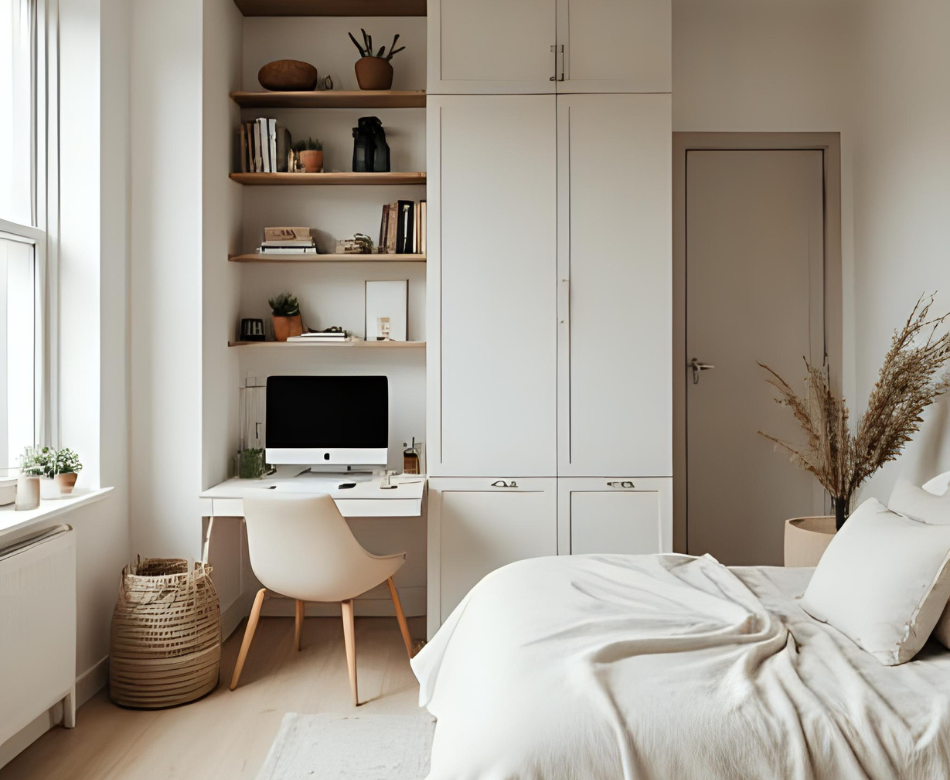
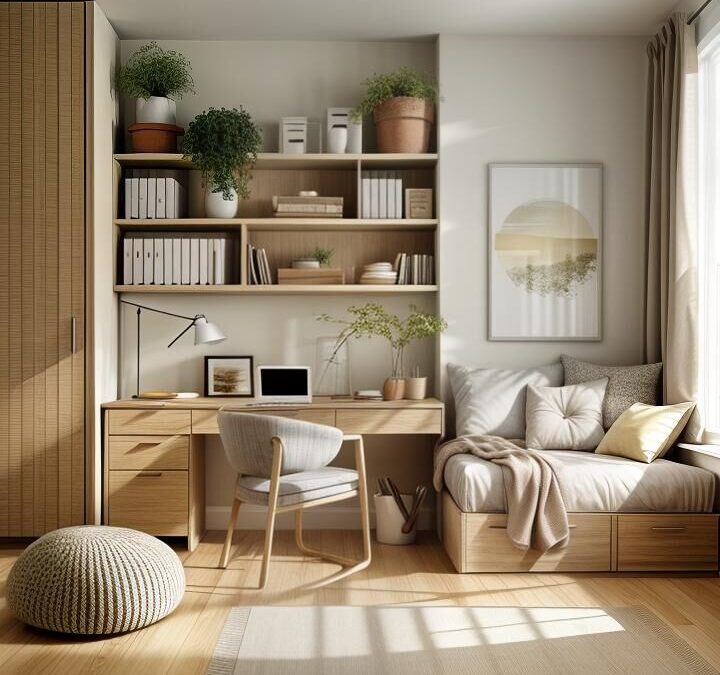
- Office/Guest Room: A built-in desk and a sleek wall bed (Murphy bed) create flexibility.
- Playroom/Family Room: Use storage benches or shelves to visually separate kid-friendly zones.
Design Tip: Even in a single room, clear zones help each function feel intentional—not like an afterthought.
3. Choose Flexible Furniture
Multi-use spaces need furniture that can shift with you:
- Fold-out desks, sleeper sofas, and nesting tables are perfect for changing needs.
- Ottomans with hidden storage or coffee tables that convert to desks can maximize small spaces.
Pro Tip: We love built-in solutions that blend seamlessly into the room’s design but serve multiple purposes.
4. Incorporate Smart Storage
Storage is key to keeping a multi-functional space feeling tidy. Look for:
- Vertical shelving to free up floor space
- Built-in cabinets with adjustable interiors
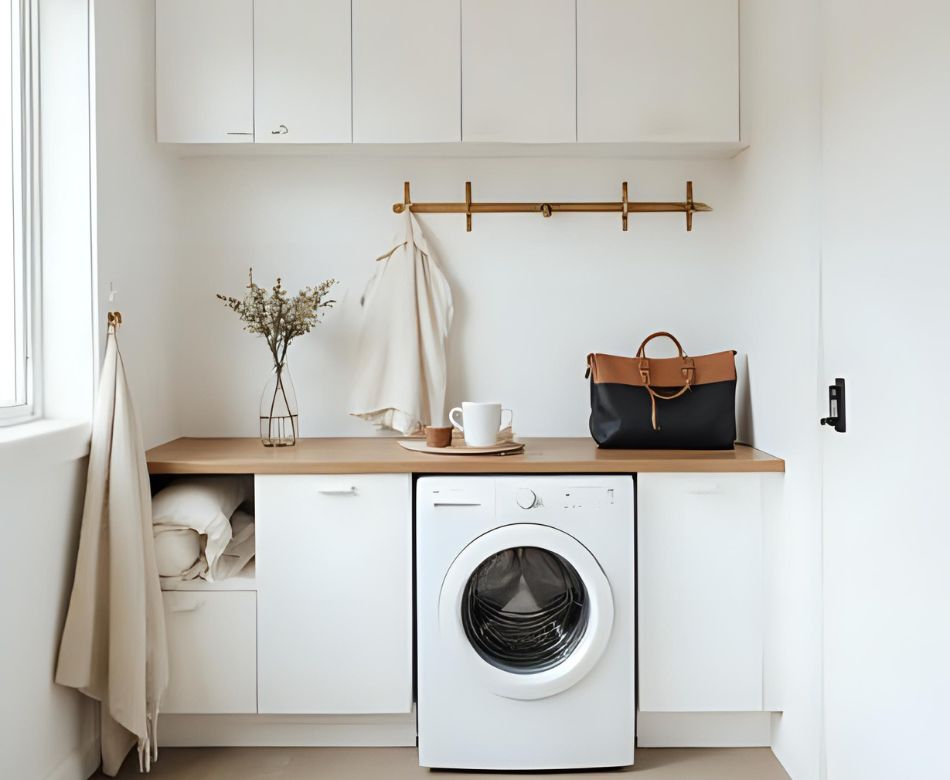
- Window seats or benches with hidden storage
Design Tip: Go for enclosed storage where possible. Clutter can disrupt the room’s purpose and flow.
5. Layer Lighting for Function and Mood
Different activities require different lighting. Layer ambient, task, and accent lighting to support everything from Zoom calls to movie nights.
- Use dimmers to shift from work to relaxation mode
- Task lighting at desks or reading chairs keeps those areas productive
- Wall sconces or under-cabinet lighting add style without taking up floor space
6. Keep the Aesthetic Cohesive
The key to a successful multi-functional space is visual harmony. Even if the room has several purposes, the finishes, color palette, and style should feel unified.
Pro Tip: We design with materials and tones that flow, so each “zone” feels like part of a curated whole—not a mashup of mismatched functions.
Your Home, Reimagined for Real Life
Multi-functional rooms aren’t just about squeezing more use out of less space—they’re about designing your home to support the way you actually live. At Redesign Co., we help homeowners rethink their layouts, rework their spaces, and reimagine what home can be.
Want to Make One Room Do More?
Let’s talk about how to create stylish, adaptable spaces tailored to your lifestyle.
Contact Redesign Co. for a free consultation—and let’s make something amazing together.
LET'S TALK
Reach out to Redesign Co. for a free consultation—let’s make something amazing together.
Serving Denver Metro Area