
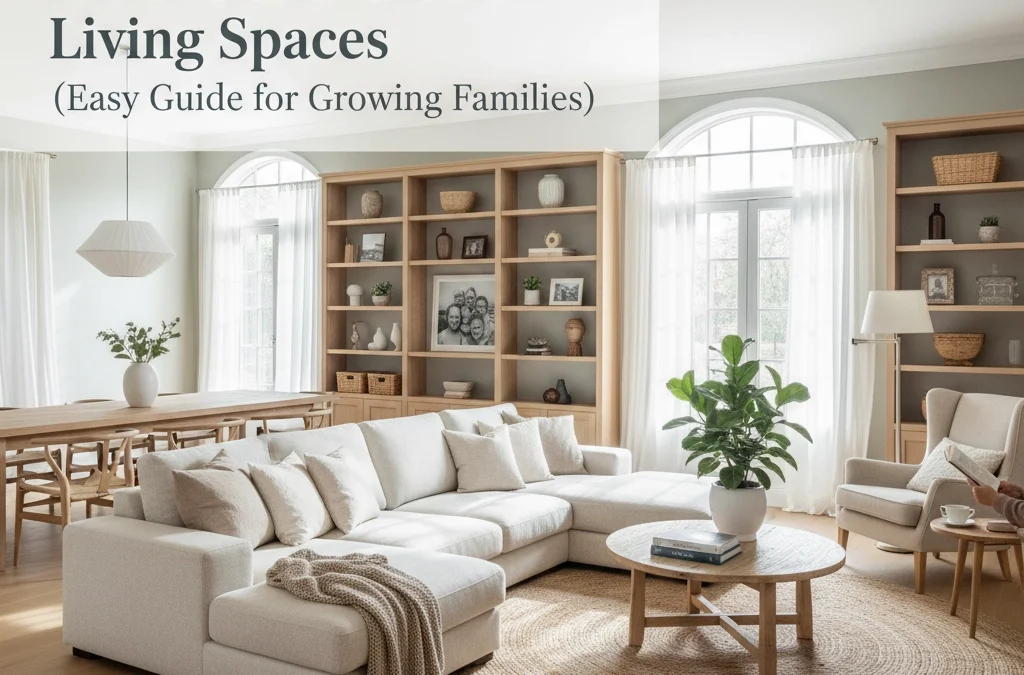
More families are choosing to live together than ever before : and for good reason. Whether you're caring for aging parents, helping adult children get on their feet, or simply wanting to stay close to extended family, generational living spaces offer financial benefits, built-in childcare, and stronger family bonds.
But here's the thing: cramming multiple generations under one roof without proper planning is a recipe for tension. The secret to successful multi-generational living? Thoughtful home renovation and interior design that balances togetherness with independence.
Let's walk through five practical steps that'll help you create a space where everyone thrives : from toddlers to grandparents.
Step 1: Assess Your Family's Needs and Space Requirements
Before you start sketching floor plans or calling contractors, take a step back. What does your family actually need?
Start by having honest conversations with everyone who'll be living in the space. Does Grandma need a first-floor bedroom because stairs are becoming difficult? Do your adult kids need a completely separate entrance to maintain their independence? Will you need dedicated workspace areas for remote work?
Here's a practical exercise: list out each person's non-negotiables. Maybe it's a private bathroom for the teenage grandkids, or a quiet reading nook for Grandpa. Understanding these must-haves upfront prevents costly changes later.
Pro tip: Consider both current needs and future ones. That energetic 70-year-old might need accessibility features in five years, and planning for them now saves major renovation headaches down the road.

Spacious living area designed for family connection and movement.
Step 2: Design for Privacy Without Isolation
Privacy is absolutely crucial in generational living spaces : but you don't want to create separate apartments that never interact. The goal is thoughtful separation that allows for both solitude and spontaneous family moments.
Create Distinct Living Zones
Think about designing your home in "zones" rather than just rooms. Each generation should have their own retreat area : this could be a full in-law suite, a separate wing, or even just a designated floor.
For many families, a home addition makes the most sense. Adding a first-floor master suite with its own bathroom and sitting area gives older relatives independence while keeping them close. If you're working with an ADU builder, consider a detached accessory dwelling unit that provides complete privacy while maintaining family proximity.
Smart Soundproofing Solutions
Nothing kills family harmony faster than hearing every conversation through thin walls. Invest in proper insulation between living areas, especially bedrooms. Simple additions like heavy curtains, area rugs, and strategic furniture placement can dramatically reduce sound transfer without major construction.
Multiple Entrances When Possible
If your budget allows, separate entrances are game-changers. Adult children can come and go without disturbing sleeping grandparents, and everyone maintains a sense of autonomy. Even a side entrance or mudroom entry can make a huge difference.

In-law suite offers comfort, privacy, and easy access for multi-generational households.
Step 3: Create Smart Shared Spaces That Work for Everyone
While privacy matters, shared spaces are where the magic of multi-generational living really happens. These areas need to be flexible enough to accommodate different activities simultaneously.
The Heart of the Home: Kitchen and Dining
Your kitchen will likely become command central, so make it work for multiple cooks and different meal schedules. Consider a large island with seating : it becomes a breakfast bar for rushed mornings, homework station for kids, and gathering spot for evening conversations.
For dining, think flexibility. A expandable table handles everything from quiet family dinners to holiday celebrations. Built-in banquettes provide extra seating without taking up floor space, and they're perfect for kids' activities during the day.
Living Areas That Actually Live
Gone are the days of formal living rooms that nobody uses. Multi-functional rooms are essential in generational living spaces. Your main living area should accommodate movie nights with the grandkids, quiet reading time, and adult conversations : sometimes all at once.
Create distinct seating areas within the same room: a cozy reading corner with good lighting, a TV area with comfortable seating, and maybe a game table near a window. Area rugs help define these different zones visually.

Outdoor spaces bring everyone together, from morning coffee to weekend barbecues.
Outdoor Extensions
Don't forget about outdoor living spaces! A well-designed patio or deck extends your shared living area and provides another option when indoor spaces feel crowded. Include comfortable seating, some weather protection, and good lighting for evening gatherings.
Step 4: Build in Accessibility and Future-Proof Features
Smart home renovation means thinking ahead. Accessibility features aren't just for people with mobility issues : they make life easier for everyone and ensure your home adapts as family needs change.
Essential Accessibility Updates
Start with the basics: eliminate or minimize steps at entrances, widen doorways to at least 32 inches, and ensure hallways are wide enough for comfortable navigation. These changes help with everything from moving furniture to accommodating future mobility aids.
In bathrooms, install grab bars near toilets and in showers : choose stylish ones that look intentional, not medical. Consider comfort-height toilets and curbless showers, which are easier for everyone to use.
Lighting and Safety
Good lighting becomes increasingly important as we age, but it benefits everyone. Layer your lighting with ambient, task, and accent options. Motion-sensor lights in hallways and bathrooms provide safety without being intrusive.
Install lever-style door handles instead of knobs : they're easier to operate for people with arthritis or when your hands are full. The same goes for rocker-style light switches instead of traditional toggle switches.

Modern accessible bathroom—safe, sleek, and user-friendly for all ages.
Technology Integration
Modern accessibility often involves smart home technology. Voice-controlled lighting, thermostats, and entertainment systems help everyone control their environment easily. Video doorbells and smart locks provide security while eliminating the need to get up to answer the door.
Step 5: Consider Style Flexibility and ROI
Here's where interior design strategy really matters. You need spaces that feel cohesive but can adapt to different preferences and lifestyles.
Neutral Foundation, Personal Touches
Start with a neutral color palette for major elements : walls, flooring, and large furniture pieces. This creates a calming backdrop that works for all generations while allowing each family member to add personal touches through accessories, artwork, and smaller furniture pieces.
Think of it as providing the canvas rather than painting the whole picture. Grandma can display her antique collection while the grandkids show off their artwork, all within a cohesive design framework.
Flexible Furniture Solutions
Invest in furniture that serves multiple purposes and can be easily reconfigured. Storage ottomans provide seating and hide clutter. Nesting tables can be separated for large gatherings or stacked to save space. Modular seating arrangements adapt to different group sizes and activities.
Return on Investment Considerations
Multi-generational renovations can significantly boost your home's value, especially in today's housing market. Features like additional bathrooms, accessible design elements, and flexible living spaces appeal to a wide range of buyers.
If you're adding square footage through a home addition or working with an ADU builder, these improvements typically offer strong returns. Even interior renovations that improve functionality and flow add value, particularly in areas where housing is tight.

Flexible zones nurture play, relaxation, and togetherness across generations.
Focus on improvements that serve dual purposes: accessible design features that look stylish, storage solutions that reduce clutter, and flexible spaces that can evolve with changing needs.
Making It Work: Your Next Steps
Creating successful generational living spaces isn't about following a one-size-fits-all formula : it's about understanding your family's unique dynamics and designing around them.
Start small if needed. You don't have to renovate everything at once. Maybe begin with creating better privacy in existing bedrooms, then tackle shared spaces, and save major additions for later phases.
Remember that the best multi-generational homes feel intentional, not cramped. Every square foot should serve a purpose, every design choice should consider multiple users, and every renovation should enhance both function and family harmony.
The investment you make in thoughtful planning and quality home renovation will pay dividends in family relationships, daily comfort, and long-term property value. Plus, you'll create a space where memories are made across generations : and that's priceless.
Ready to transform your home into a multi-generational haven? Our team at Redesign Co specializes in creating beautiful, functional spaces that bring families together while respecting everyone's need for independence.